
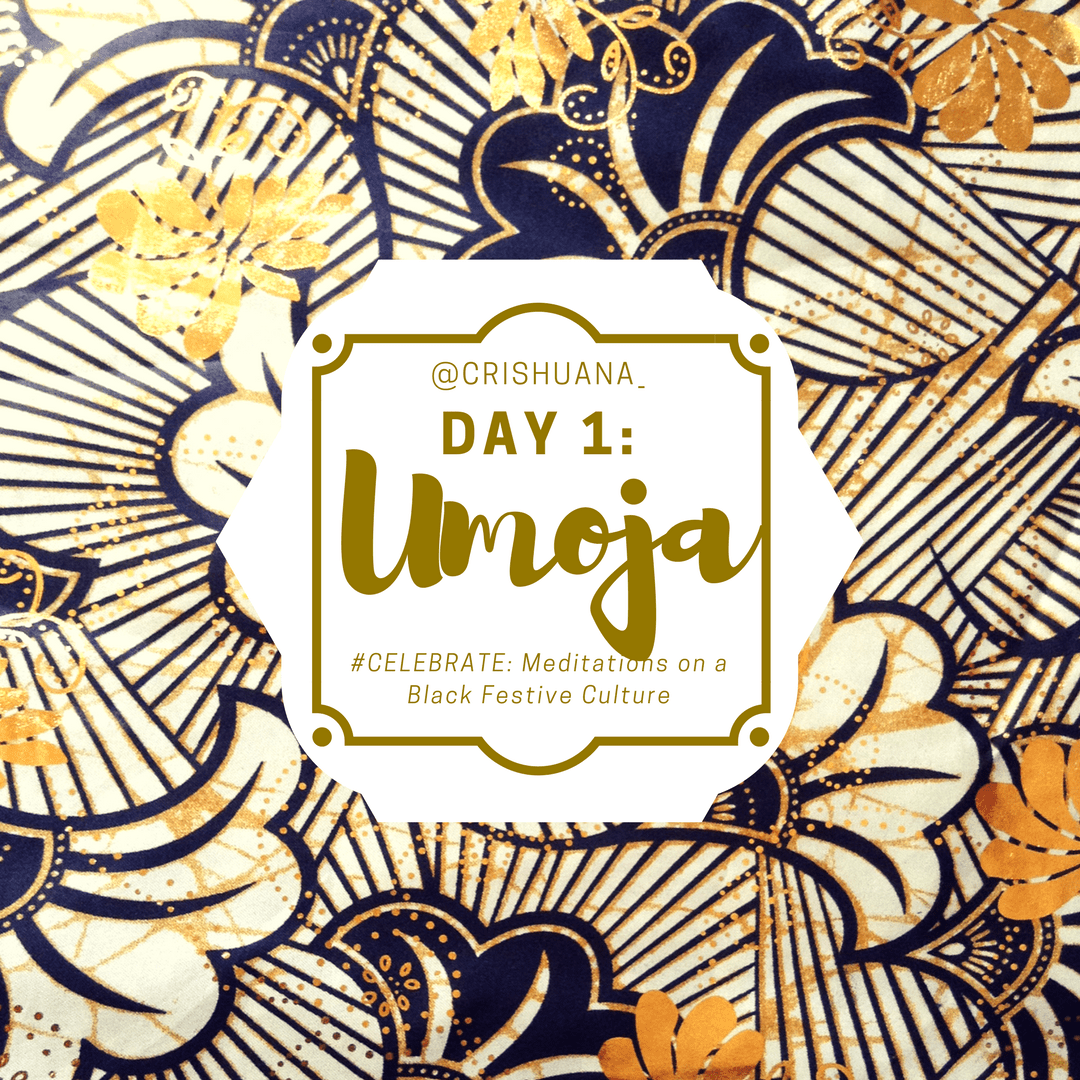
/ We don’t borrow
from Africa,
we utilize
that which was ours
2 start with.
The culture
provides a basis
4 revolution
+ recovery. / -Maulana Karenga
(7 Days of Kwanzaa. 7 Excerpts from Chapter 3 of a forthcoming essay series, #CELEBRATE: Meditations on a Black Festive Culture)
Chapter 3. Reincarnation: “KWANZAA”
Day 1: Umoja
okay, let’s get this straight:
The reason they even codified an American Federal Holiday Calendar was to broaden definition of “American-ness” to include the white ethnic groups that were making up the majority of the country’s labor-force.
When I worked in a public library, I started to notice when the federal holidays are because I got paid leave time for them. Every single one. It was great. Understanding the cultural politics around federal holidays became important for me as I continued to develop my class-consciousness because these laws allow all American labors to observe leave and pay privileges on these specific legal and public holidays without designation. The two key words are: Legal. Public.
The federal holidays are outlined by the United States Congress in Title V of the United States Code: 5 U.S.C. § 6103. Around the year 1880, the government began to legalize four new holidays for federal employees to have off:
New Year’s Day,
Independence Day,
Thanksgiving Day,
Chrima Day.
During this exciting period of creation of American festivities, black folk were largely enjoying the benefits of 70 years of Jim Crow segregation, thanks to Plessy v Ferguson in 1896 until well after Brown v. Board of Education in 1954. Therefore, the sub-citizen position of black folk in the larger American society kept the federal government from hearing black demands for cultural recognition and inclusion on the American holiday calendar.
The homie Frederick Douglass’ famous oration at Corinth Hall in Rochester forever voiced the black frustrations with an American culture that continued to deny them access to their overdue acknowledgment in his remarks on July 5th, 1852. In The Meaning of July 4th For the Negro, he probes, “What, to the American slave, is your Fourth of July? I answer: a day that reveals to him, more than all other days in the year, the gross injustice and cruelty to which he is the constant victim.”
Wiki has a quick glance at this moment of invention on the timeline of the Great American Holidays in its article: “History – Federal Holidays in the United States.” At the time of this blog is being edited on Dec 26th, the government holidays also include the birthday of Martin Luther King, Jr and Columbus Day. Other holidays you can probably think of (i.e. Valentine’s Day, St. Patrick’s Day, Easter, etc…) are observed as “public American holidays”, leaving their observances and labor obligations in the hands of individuals and private institutions. Of note, listings of these public holidays are often categorized by market sales…
Well, there was one public black holiday: Freedom Day, the subject of chapter two. Since 1947, Freedom Day was the only holiday adopted from a black festive tradition of Emancipation Day and Juneteenth. Though it occupied space on the public holiday calendar, it had not become a cultural vehicle to expand the American identity in the way other popularly celebrated ethnic holidays like Hanukkah, St. Patrick’s Day and arguably Columbus Day had been for other minority groups.
Further, a number of the national/popular American holidays highlighted painful cultural traumas including the systematic exclusion of both Native and African-American presence in the Nation’s historical narrative. As a federal holiday, Columbus Day represents the European discovery of America, but it also represents the dispossession of American Indian lands and genocide as well the establishment of the African Slave Trade in North America. The founding fathers that are commemorated on these holidays owned or condoned the slave trade.
With all of these “conflicts of interest,” American holiday-makers needed to reassert a neater definition of “Freedom” in the festive calendar. Freedom Day was codified as a celebration of President Lincoln’s signing of the 13th Amendment. Disregarding the holiday’s tradition of Freedom Day Oratoations which served to remind and establish Africans of their rightful place in story of the American republic, the unrecognized holiday Juneteenth subsequently absorbed this purpose.
Grappling with the post-bellum Black Holiday Tradition, it is easy to understand how Kwanzaa became the powerful re-assertion that it was. As a method of the Black American culture to build a truly representative festive culture, Kwanzaa and the Black Protest Calendar emerged. The Black Holiday Tradition would be refiltered in this period through the cultural nationalist framework of the 1960s and 70s. J. Peniel’s Waiting ‘Til the Midnight Hour (2007) chronicles the notable shift into a new radical black consciousness among black intellectual thought and a shift away from the moderate politics of Civil Rights. Black Power challenged the black freedom struggle to move beyond social justice demands, to economic and cultural nationalism. But the story of Kwanzaa illustrates the struggle of the newly forming consciousness to create safe spaces within the existing black American contexts: from intellectual, social and cultural to the political, economic and, of course physical contexts.
It radically advocated violence for self-defense.
(1/7)
All wax prints from post titles and Instagram are available for order from @HouseOfMimiWata African fabrics shop in Houston, TX.
Sending you many blessings, family &
Habari Gani until tomorrow,
C.

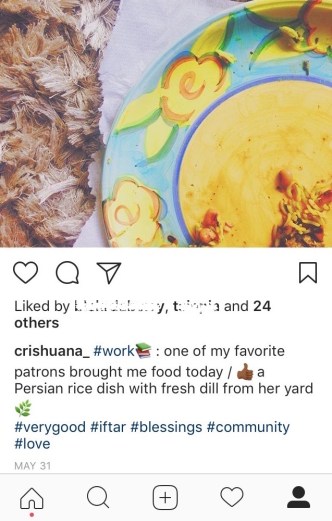 For 6.5 years of my life, since Februrary 2012, I have dedicated myself to a primarily plant-based lifestyle. My former partner was a student of Western medicene who swore by the full Hippocratic oath: “Let food be thy medicine and medicine be thy food,” while my best friend growing up was spiritually vegetarian in her household. I have never really eaten all that “normally.” At home, my mother loved to cook (and eat) and my father is West African. Growing up working class, my parents cooked more than we ate out, fast food included. For a few years now, I’ve been hanging out with the yogis and the “conscious” folks of the country, reading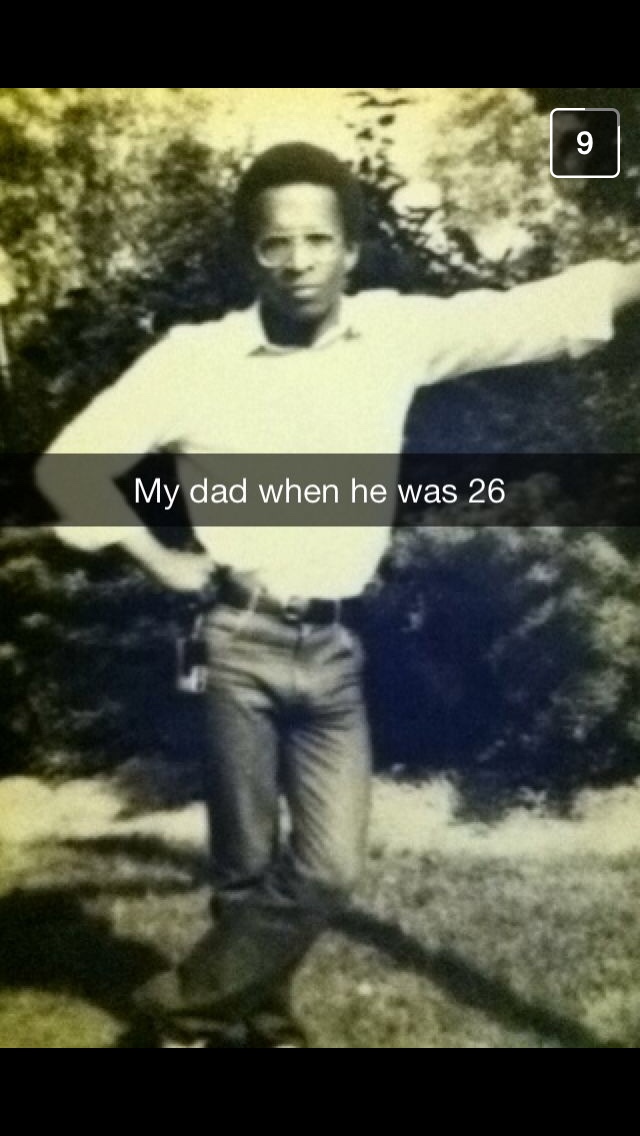
 Crishuana & Company